In areas prone to earthquakes, the safety and stability of buildings are of utmost importance. Seismic bracing, also known as seismic braces, plays a crucial role in ensuring the structural integrity of buildings during seismic events. These braces are designed to absorb and dissipate the energy generated by an earthquake, preventing the collapse of the building and minimizing damage.
seismic braces are structural components that are added to a building to provide additional strength and stability against lateral forces such as those generated by an earthquake. These braces are typically installed in strategic locations throughout the building to help distribute the seismic forces and reduce the overall stress on the structure. By doing so, seismic braces help prevent buildings from collapsing or sustaining significant damage during an earthquake.
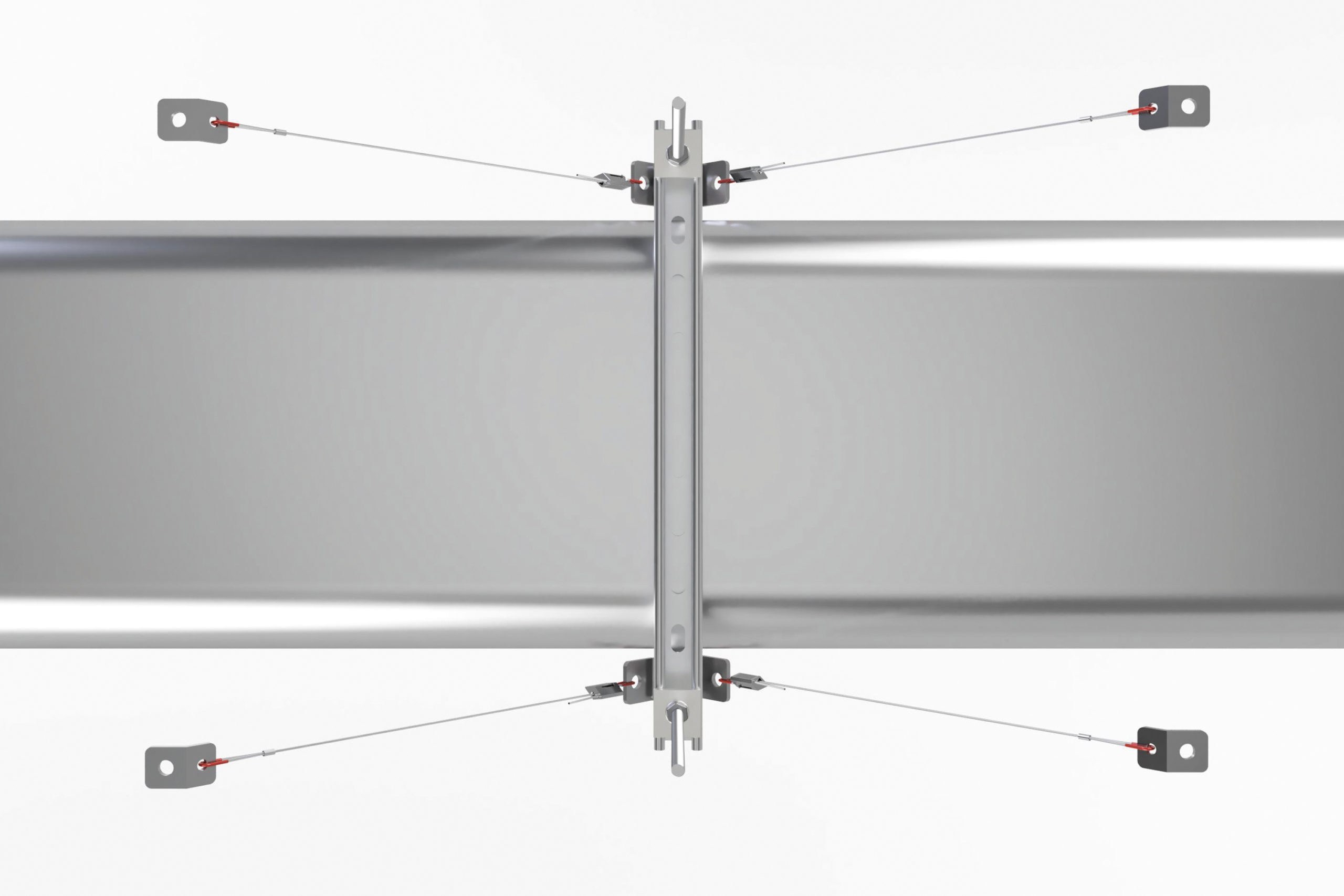
There are several types of seismic braces that are commonly used in building structures. One of the most common types is the diagonal brace, which is typically installed in a diagonal pattern between the floors or walls of a building. These braces help transfer the lateral forces generated by an earthquake from the top of the building to the foundation, reducing the overall stress on the structure.
Another type of seismic brace that is commonly used is the cross brace, which is installed in a cross pattern between the walls or beams of a building. Cross braces help provide additional strength and stability to the building by creating a rigid framework that can withstand lateral forces.
In addition to diagonal and cross braces, there are also eccentric braces, buckling-restrained braces, and moment-resisting frames that are used in building structures to provide seismic resistance. Each type of brace has its own unique design and function, but they all serve the same purpose of improving the stability and safety of the building during seismic events.
The installation of seismic braces is a critical component of building design in earthquake-prone areas. Building codes and regulations often require the use of seismic braces to ensure that buildings can withstand the forces generated by an earthquake. By incorporating seismic bracing into building design, engineers can help protect the safety of occupants and minimize the risk of damage to the structure.
One of the key benefits of seismic braces is their ability to improve the overall performance of a building during an earthquake. By dissipating the energy generated by seismic forces, seismic braces help reduce the likelihood of structural failure and collapse. This not only protects the occupants of the building but also minimizes the need for costly repairs or reconstruction after an earthquake.
seismic braces can also help increase the lifespan of a building by reducing the wear and tear caused by repeated seismic events. By absorbing and dissipating the energy generated by earthquakes, seismic braces help prevent damage to the building’s structure and foundation. This can help prolong the life of the building and reduce the need for frequent repairs or maintenance.
In conclusion, seismic braces are a vital component of building design in earthquake-prone areas. These braces provide additional strength and stability to buildings, helping them withstand the lateral forces generated by seismic events. By incorporating seismic bracing into building design, engineers can help protect the safety of occupants and minimize the risk of damage to the structure. seismic braces play a crucial role in ensuring the structural integrity of buildings during earthquakes, making them an essential feature in earthquake-resistant construction.
By incorporating seismic braces into building design, engineers can help protect the safety of occupants and minimize the risk of damage to the structure. Seismic braces play a crucial role in ensuring the structural integrity of buildings during earthquakes, making them an essential feature in earthquake-resistant construction.